
If you open results day and feel your stomach drop, you’re not weak. You’re human. Two years of effort can make IB Grading feel like a verdict on your future, not a snapshot of one exam session. But here’s the quiet truth most adults learn late: disappointing results are often a detour, not a dead end. What matters next is the plan you build in the days after.
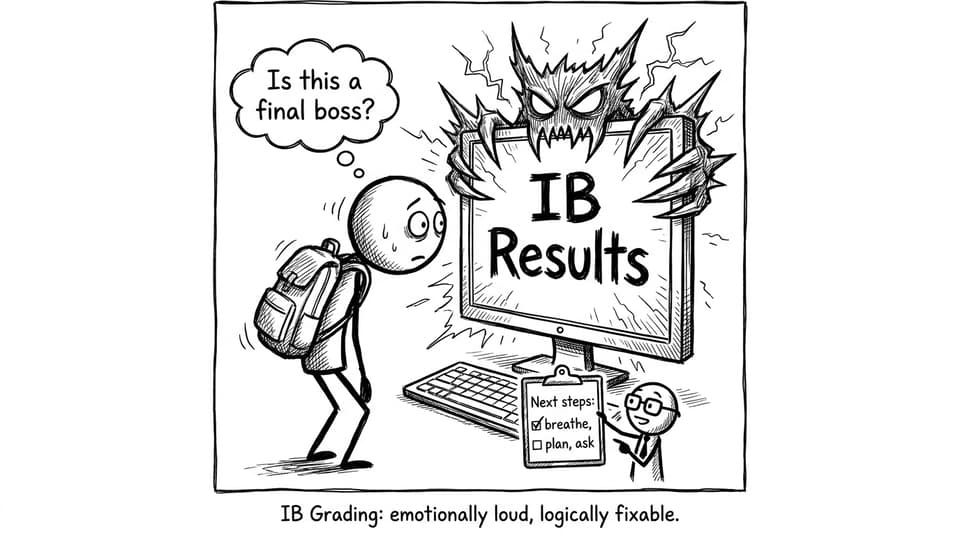
First, understand what IB Grading is actually telling you
Before you decide anything, get clear on what your outcome means in IB Grading terms.
-
Each subject is graded 1 to 7
-
Six subjects add up to 42 points
-
TOK + EE can add up to 3 points (total 45)
-
The diploma usually requires 24 points minimum, plus meeting other conditions
If you want the full mechanics, read Understanding the IB Grading System and keep IB Grading: Criteria to Pass the IB Diploma open while you review your results.
A calm checklist for the first 48 hours
The best decisions are rarely made while your brain is running on adrenaline.
Do this before you choose a path
-
Ask your coordinator what your exact next options are (retakes, certificates, timelines)
-
Write down which subjects (or core components) caused the shortfall
-
Compare your totals to the pass criteria and boundaries you missed by
-
Sleep. Seriously. Decision quality follows recovery
If you need a reality check on how close you were to common thresholds, What is a Passing Score in IB? helps you interpret the situation without panic.
Option 1: Retakes (a reset, not a repeat)
Retaking is the most common response, and it often works because you’re no longer learning everything for the first time. You’re targeting weaknesses.
In IB Grading, small mark gains can flip a subject grade, and a single subject grade change can shift your total more than you expect. Use the IB Grade Calculator to test “what-if” scenarios so your plan is based on numbers, not dread.
How to retake smarter
-
Rebuild your revision around question types, not vague topics
-
Use the RevisionDojo Questionbank to drill the exact papers that cost you marks
-
Turn mistakes into Flashcards (RevisionDojo Flashcards) so weak spots stay visible
-
Use Mock Exams to fix timing and stamina early, not two weeks before
For a calm system, borrow the structure from IB: How to Get a 7 (A Calm, Repeatable System). Even if you’re not chasing a 7, the method scales down beautifully.
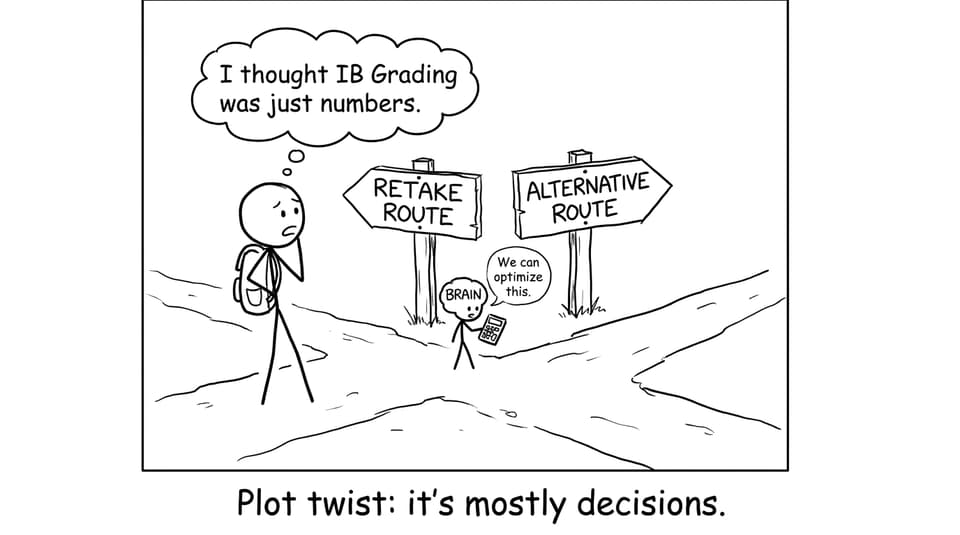
Option 2: Change the mix (subjects, level, or load)
Sometimes the issue isn’t effort. It’s fit. If one HL was a constant drain, talk to your coordinator about switching level or adjusting subjects where possible.
This is still IB Grading strategy: you’re reducing the chance that one course becomes the anchor that pulls down everything else.
To decide what “good” looks like for your goals, use What Is a Good IB Score? as a benchmark guide rather than a comparison trap.
Option 3: Alternative qualifications and entry routes
If retakes aren’t right for you, you still have strong pathways.
-
A-Levels (common in the UK and recognized widely); see AQA
-
AP courses (popular in the US); see College Board
-
National diplomas or local qualifications that universities recognize in your region
-
Foundation or bridging programs that provide structured entry into university
None of these choices mean you “failed.” It means you’re choosing the route that matches your timeline, learning style, and resources.
Option 4: Work, apprenticeships, and building momentum
Some students thrive when learning becomes real and practical. Apprenticeships and vocational routes can be fast, paid, and skills-driven.
To explore options, start with Apprenticeships.gov. You can still return to academics later with a stronger sense of direction.
Use RevisionDojo to turn uncertainty into a plan
When your confidence is shaky, structure helps.
-
Use Study Notes to rebuild clarity quickly
-
Use the Questionbank to practice what the exam actually asks
-
Use AI Chat to explain confusing markscheme logic in plain language
-
Use Grading tools like the IB Coursework Grader to improve TOK/EE/IA drafts with rubric-aligned feedback
-
Use Predicted Papers and Mock Exams for realistic rehearsal
-
Use the Coursework Library to see what high-scoring work looks like
-
Use Tutors when you need human accountability and strategy
This is the hidden upside of learning IB Grading: it gives you levers you can pull. Not vibes. Levers.
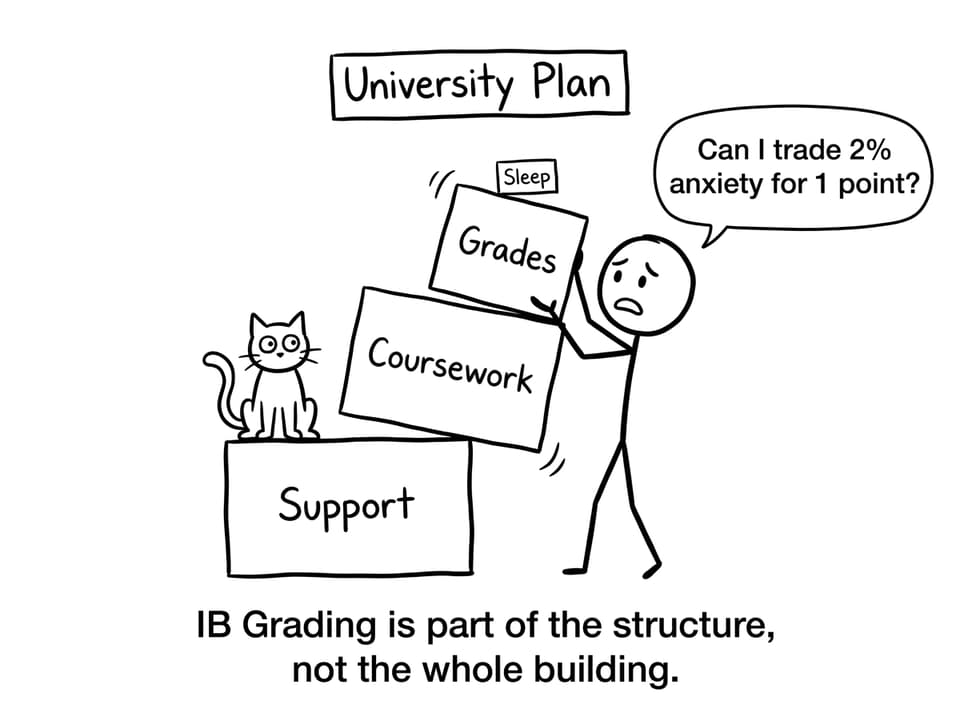
Closing: your results aren’t your story, your response is
If you don’t pass, you’re allowed to feel it. Then you’re allowed to move. Whether your next step is retakes, a new qualification, a foundation route, or work experience, IB Grading is just one measurement in one moment. Build a plan you can repeat when you’re tired: targeted practice, clear feedback, and steady support.
When you’re ready, RevisionDojo can be the system behind your comeback: from Questionbank and Study Notes to AI Chat, Grading tools, Predicted Papers, Mock Exams, Coursework Library, and Tutors. Your next chapter can be calmer, smarter, and more under your control.