
If you have ever opened your ab initio notebook, seen a page of brand-new words, and thought, “This is not a language, this is a random generator,” you are normal.
What strong students do differently isn’t magic talent. It’s pattern-building. In IB Language B, the fastest progress comes from small routines that repeat the same skills in the same exam-shaped ways, until confidence feels inevitable.
Below are the top strategies for learning an ab initio language with the mindset of an exam candidate: calm, consistent, and purposeful.
A quick IB Language B checklist (save this)
-
Know what ab initio is assessing (not just what it teaches)
-
Build vocabulary by theme, then by text type
-
Practice all four skills in short daily loops
-
Simulate timed tasks early, not “later”
-
Review with feedback: self, peer, and smart tools
Understand the course structure before you grind
Ab initio is designed for beginners, but it is not casual. It is structured. That structure is your advantage.
Start by getting clear on what the course prioritizes: practical communication, core grammar, and the five prescribed themes that keep showing up in tasks. A good overview makes your study sessions feel like building a house, not collecting bricks.
If you want the clearest breakdown, use IB Language ab initio coursework structure and tips and pair it with the perspective in What is Ab Initio in the IB Program?.
This matters even if your long-term target is IB Language B, because the habits you build now become your “default settings” under pressure.
Build vocabulary like an IB Language B student (not a tourist)
Most beginners treat vocabulary as a list. But IB Language B rewards vocabulary that behaves well inside sentences: connectors, opinion phrases, and theme-specific words you can actually deploy.
Try this three-step method:
-
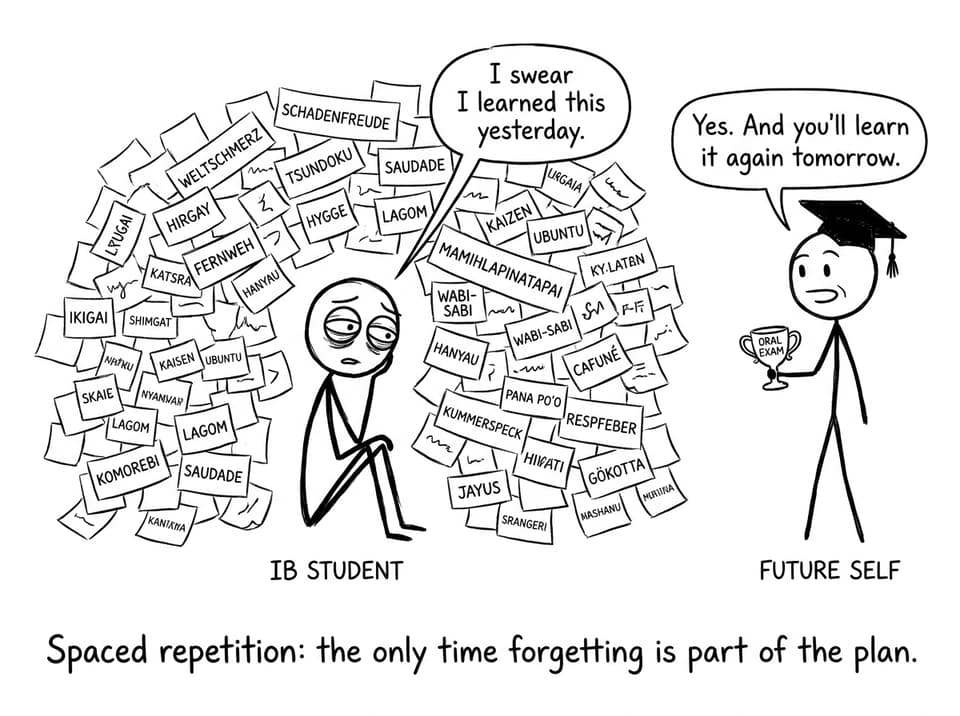
Spaced repetition flashcards for high-frequency verbs, connectors, and theme nouns
-
Phrase banking: store vocabulary inside mini-sentences you can reuse
-
One weekly “recycle day”: rewrite old phrases with new details
RevisionDojo makes this easier because its Flashcards and Study Notes are built around exam relevance, not random memorization. Explore more ab initio-focused posts via IB Language ab initio resources and keep a Language B mindset with All IB Language B posts.
Practice all four skills daily (15 minutes beats 2 hours)
A language grows like a plant: steady light, not one flood.
For IB Language B, build a tight loop:
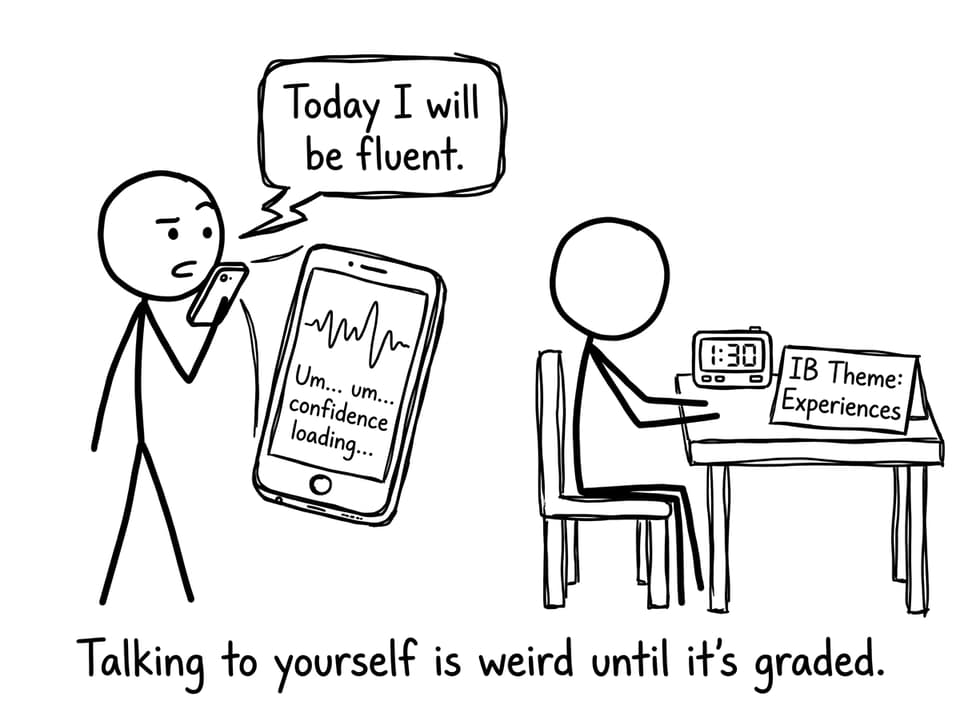
Listening + speaking (the confidence engine)
Listen for gist first, then details. Immediately speak back what you understood, even if it’s imperfect.
To make listening more targeted, use IB Language B listening practice strategies. For the bigger picture, follow the routine in How to effectively revise for Language B exams.
Reading + writing (the marks engine)
Read small texts aligned to themes, then write small responses aligned to text types.
If writing is your weak spot, steal the checklist mentality from How to master Language B writing through practice and protect your accuracy with How to avoid common mistakes in Language B writing.
Anchor everything to IB themes (so tasks stop surprising you)
In IB Language B, themes aren’t decoration. They are the repeating worlds your exam tasks live in. When you practice inside themes, you stop freezing at prompts because you already have language for that world.
Pick one theme each week. Build:
-
30-50 high-utility words
-
10 reusable phrases
-
2 mini opinions (one positive, one critical)
For a full roadmap, see IB Language B syllabus breakdown and study strategy. And if you are still deciding your pathway, clarify the difference with IB Language B vs Ab Initio: what you should know.
Simulate assessment conditions before you feel ready
Confidence often arrives after rehearsal, not before it.
Once a week, do one timed task:
-
150-word micro writing in a set time
-
1-2 minute spoken response to a visual prompt
-
A short listening set with note-taking limits
RevisionDojo’s Questionbank, Mock Exams, and Predicted Papers help you practice with exam realism. Then use AI Chat to ask, “What did I do well, and what is one fix for next time?” Finally, use the Grading tools to make improvement measurable.
Review smarter: self, peer, and patterns
Beginners often repeat the same three mistakes for months because they never name them.
After each task, track:
-
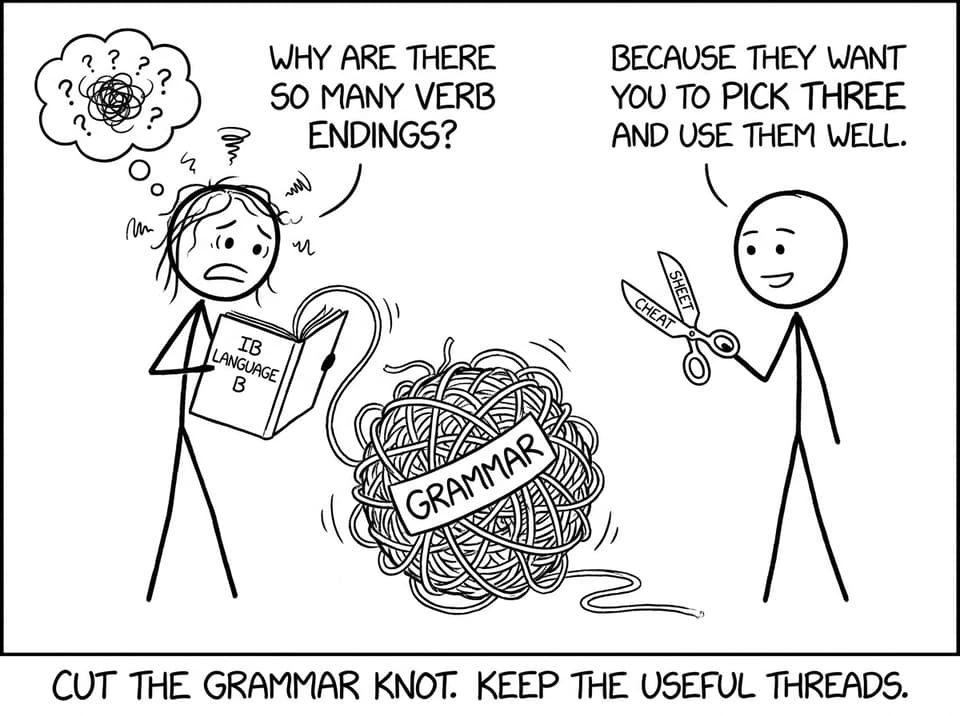
Your top 3 recurring grammar slips
-
Your “safe” connectors (the ones you can always use correctly)
-
One risk phrase to practice for next time
If you relate to vocabulary overload or speaking anxiety, read Common problems in Language B and how to overcome them. That article is basically a map of what to fix first.
Conclusion: make IB Language B feel predictable
Learning an ab initio language is less about intensity and more about repeatable structure. When you build vocabulary by themes, train all four skills in short daily loops, and practice under timed conditions, IB Language B stops feeling like a surprise and starts feeling like a routine.
If you want that routine in one place, RevisionDojo is built for it: Questionbank for targeted practice, Study Notes and Flashcards for retention, AI Chat for instant clarification, Grading tools for feedback, Predicted Papers and Mock Exams for realism, plus a Coursework Library and Tutors when you want extra guidance. Your confidence is not a personality trait. It’s a system you can build.