
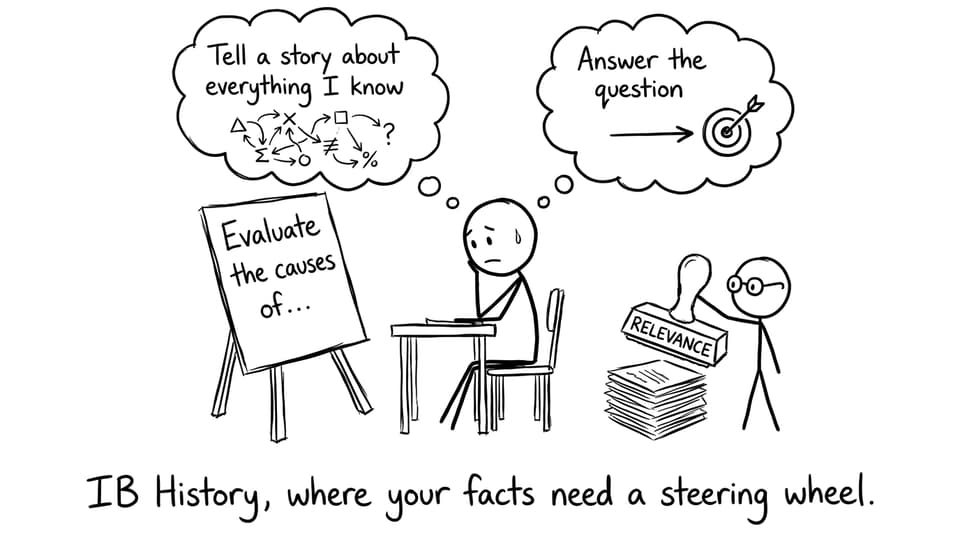
Writing IB History essays is a strange kind of pressure. You can walk into the exam room with a head full of dates and still feel your mind go blank the moment you see the question. Not because you forgot the content, but because the task is not “tell me what happened.” The task is “make a judgment, and prove it.” In IB History, that difference is everything.
This guide gives you exam-focused tips for writing IB History essays that are structured, selective, and easy for an examiner to reward. If you want the bigger picture of the course and assessment, keep the IB History resources hub open as your home base.
The IB History essay checklist (save this)
Before you write a single paragraph in IB History, run this quick checklist:
-
Circle the command term (evaluate, to what extent, compare).
-
Define the scope (timeframe, region, actors).
-
Draft a one-sentence thesis that directly answers the question.
-
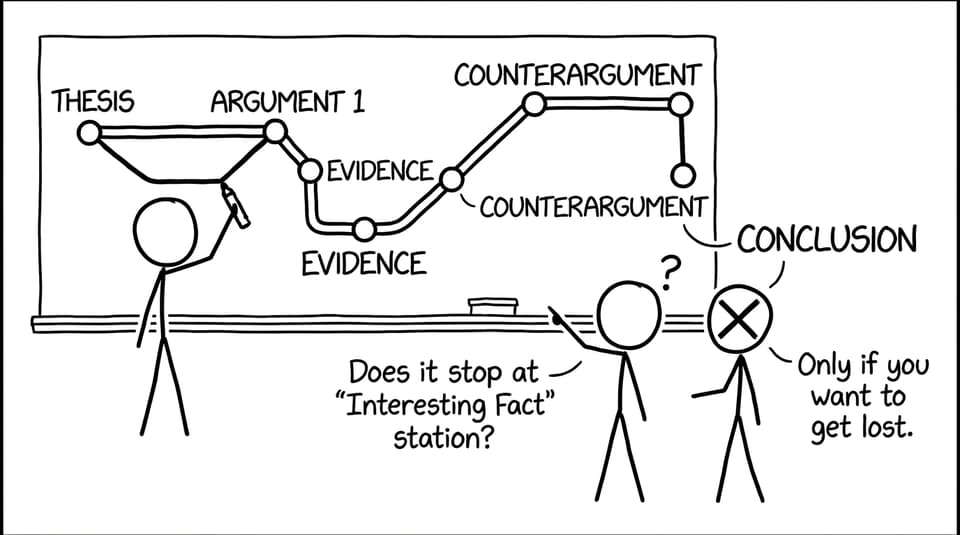
Choose 2-3 arguments that prove your thesis.
-
Add one counterargument (or limitation) and your response.
-
Attach specific evidence to each paragraph (policies, events, dates, key figures).
-
Decide what you will not include (this prevents narrative).
For a deeper planning routine, see IB History Essay Structure: Plan Fast, Write Better.
Start by translating the question (IB History begins here)
Most marks are lost in IB History before you even start writing, because students answer a topic instead of a question. Train yourself to translate.
Spot the command term
A question like “Evaluate the causes…” is asking for judgment and prioritization, not a list. “To what extent” demands a balanced conclusion. “Compare” demands similarities and differences using consistent criteria.
Lock the scope
If the question implies a timeframe, state it in your plan. If it implies a location, keep your evidence in that lane. Scope control is the hidden skill behind high-scoring IB History essays.
If you’re revising for specific papers, the guide How To Ace IB History Paper 1 And Paper 2 Exams helps you align skills to assessment.
Build a thesis that actually argues
Your thesis in IB History should do two jobs: answer the question and preview your priorities.
A weak thesis: “There were many causes of X.”
A stronger thesis: “X happened primarily because of A and B, while C mattered but only as a trigger, because…”
That second version gives you an engine. It tells the examiner you will evaluate, not narrate.
The body paragraph formula examiners can reward
In IB History, paragraphs are not containers for facts. They are mini-arguments.
Use PEEL, but make the “E” and “E” do work
-
Point: A claim that supports your thesis.
-
Evidence: One or two specific, relevant examples.
-
Explanation: How the evidence proves your claim.
-
Link: Tie back to the question and your line of argument.
The key: your explanation should contain the “because.” That’s where analysis lives.
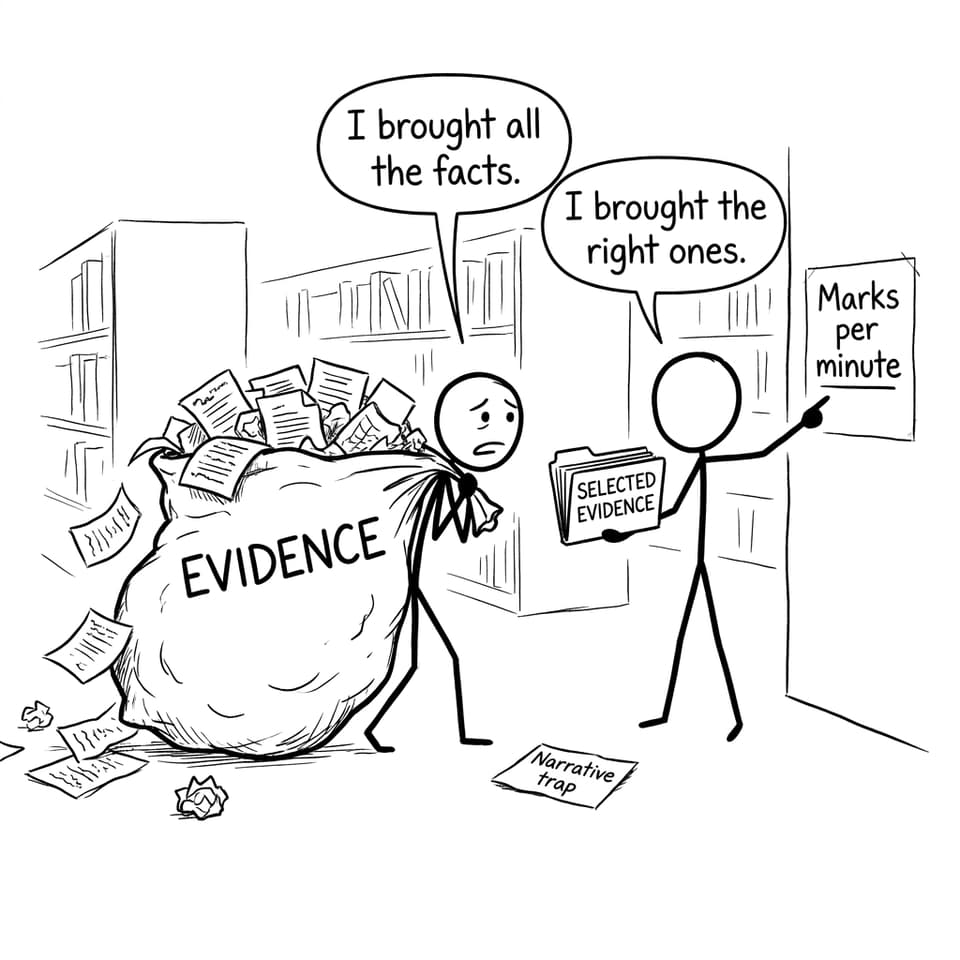
If you want a catalogue of traps students fall into, read Common Mistakes in IB History Exams and How to Avoid Them.
Add evaluation without slowing down
Evaluation in IB History is not a fancy extra. It’s the difference between “competent” and “top band.” Here are fast ways to do it:
Rank your causes or factors
Use phrases like “more significant than,” “ultimately decisive,” or “secondary compared to.” You’re showing judgment.
Use a counterargument as a tool, not a detour
A strong move is: acknowledge a plausible alternative explanation, then explain why it is limited in this case. That’s mature IB History thinking.
Brief historiography (when appropriate)
You don’t need a paragraph of historians. A single line can add sophistication: “Some interpretations emphasize economic pressures, but the political crisis explains the timing and speed of…”
HL students building stamina for longer essays can also use IB History Paper 3 Strategies for HL Success.
Write introductions and conclusions that feel inevitable
The introduction (4-6 sentences)
A high-scoring IB History introduction is calm and efficient:
-
One hook that frames the debate (not a dramatic quote dump).
-
Two sentences of context that define scope.
-
A thesis that answers the question.
-
A brief roadmap (your 2-3 main arguments).
The conclusion (4-6 sentences)
Don’t repeat your essay. Synthesize it.
-
Restate your judgment.
-
Explain why your top factor(s) matter most.
-
Acknowledge limits or complexity.
For students also writing coursework, the structure thinking carries over. This guide helps: How to Structure an IB History Extended Essay, plus the official-aligned IB History Extended Essay Guide.
A simple practice loop using RevisionDojo
Most students don’t improve their IB History essays by “writing more essays.” They improve by building a tighter feedback loop.
Here’s a practical routine with RevisionDojo:
-
Use Study Notes to patch the specific gap (not reread everything).
-
Do targeted drills in the Questionbank to practice command terms and planning.
-
Build fast recall with Flashcards (dates, policies, turning points, historian lines).
-
Run a timed essay in Mock Exams or Predicted Papers style practice.
-
Check your work using Grading tools to spot recurring mark-loss patterns.
-
Use AI Chat to pressure-test your thesis and paragraph logic.
-
If you’re stuck, use Tutors for focused feedback on structure and evaluation.
-
For IA/EE inspiration, browse the Coursework Library: IB History coursework exemplars.
Conclusion: make your IB History essays easy to reward
The best IB History essays feel almost unfairly clear. The question is answered early, each paragraph proves one idea, and evaluation appears naturally because the writer is making choices. That’s not talent. It’s a repeatable method.
If you want a single place to practice the full loop, start with the IB History resources hub, then use RevisionDojo’s Questionbank, Study Notes, Flashcards, AI Chat, Grading tools, Predicted Papers, and Mock Exams to turn every practice essay into measurable improvement in IB History.