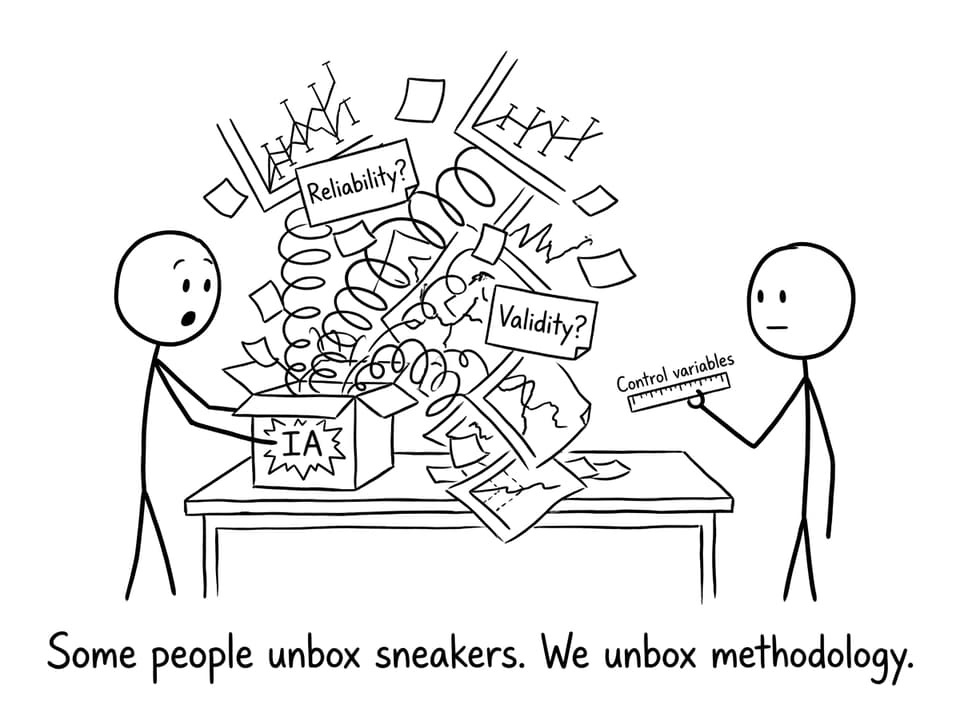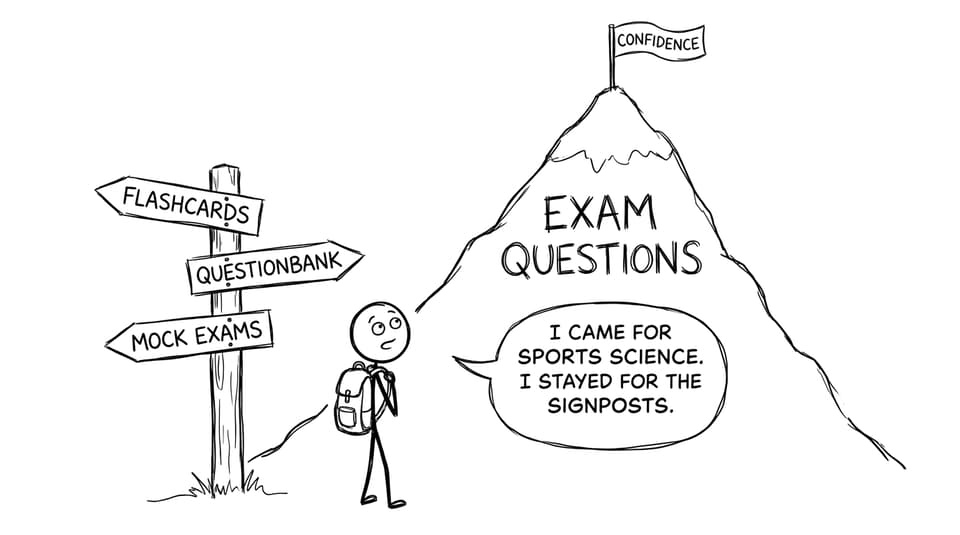

If you have ever watched a university sports science lecture online, you will notice something surprising. It is not all elite athletes, flashy equipment, and motivational quotes. It is a lot of careful definitions, messy data, and calm arguments about what the results actually mean.
That is why IB SEHS matters. Done well, IB SEHS is not “the fitness subject.” It is a small, structured rehearsal for how sports science works at university--and how sports science exams feel when the questions stop being familiar.
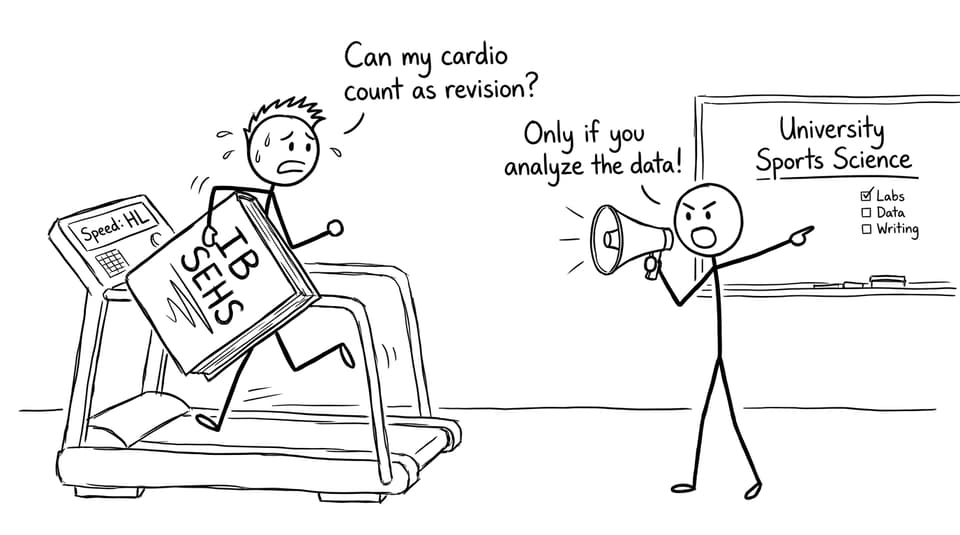
IB SEHS university prep checklist (save this)
Use this quick list to keep your revision practical:
-
Know your IB SEHS core physiology and biomechanics, not just the headlines.
-
Treat every topic like it ends in a lab report: variables, method, data, evaluation.
-
Build a bank of short, exam-ready definitions (command terms matter).
-
Practise interpreting graphs and limitations, not just memorising processes.
-
Run timed practice so IB SEHS feels automatic under pressure.
A useful home base is the IB Sports, exercise and health science (SEHS) resource hub, where you can move between Study Notes, Flashcards, and the Questionbank without losing time.
The knowledge in IB SEHS maps cleanly to sports science modules
University sports science usually starts with foundations: anatomy, physiology, movement, and performance. In IB SEHS, you touch the same pillars early, which gives you a vocabulary advantage.