
If you’ve ever stared at your IB subject choices thinking, “I just want the option that won’t ruin my sleep,” you’re not alone. The tricky part is that IB Language B and ab initio aren’t two versions of the same difficulty; they’re built for different starting points. When students call IB Language B “harder,” what they often mean is: it assumes you already have a foundation, then asks you to perform under exam pressure.
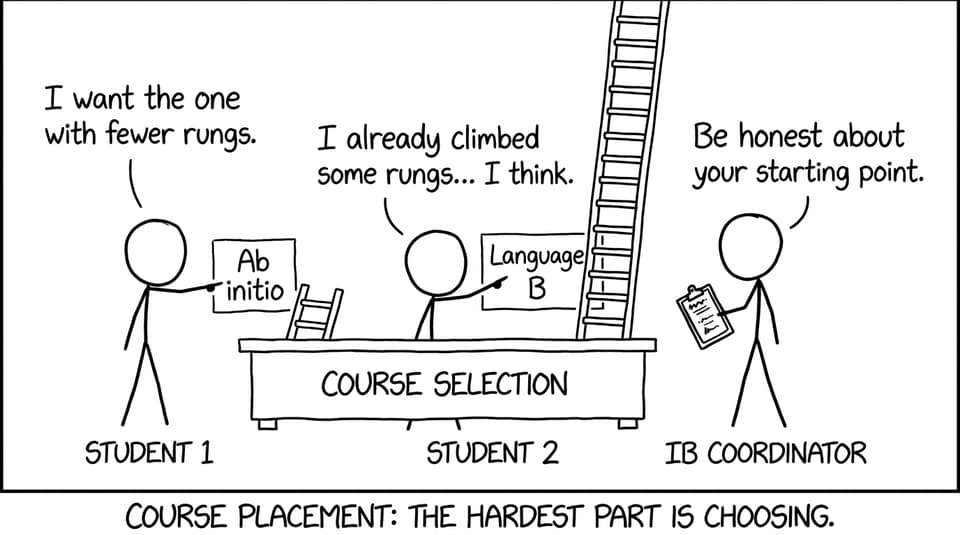
IB Language B vs ab initio: a quick decision checklist
Use this fast self-check before you decide:
-
You have 2-5 years of prior learning in the language: IB Language B (SL or HL)
-
You’re a true beginner (or very close): ab initio (SL only)
-
You want a course that rewards fluency, range, and accuracy: IB Language B
-
You need a course that builds basic communication steadily: ab initio
If you want the level breakdown in plain English, read IB Language B Explained.
Who each course is meant for (and why that matters)
The most important difference is not “hard vs easy.” It’s fit.
IB Language B is designed for students who can already handle everyday language and now need to become more flexible: different text types, richer vocabulary, more precise grammar, and clearer cultural understanding. At HL, you also add an extra layer of interpretation (including literary texts).
Ab initio is designed for students starting from near zero. The pace is still serious, but the expectations are more foundational: understandable messages, practical vocab, and simpler structures.
For a direct comparison that schools and students often use, see Language B vs Ab Initio: Choosing the Right Path and IB Language B vs Language ab initio: Key Differences.
Why IB Language B is often considered harder
Students usually feel IB Language B is harder for three reasons:
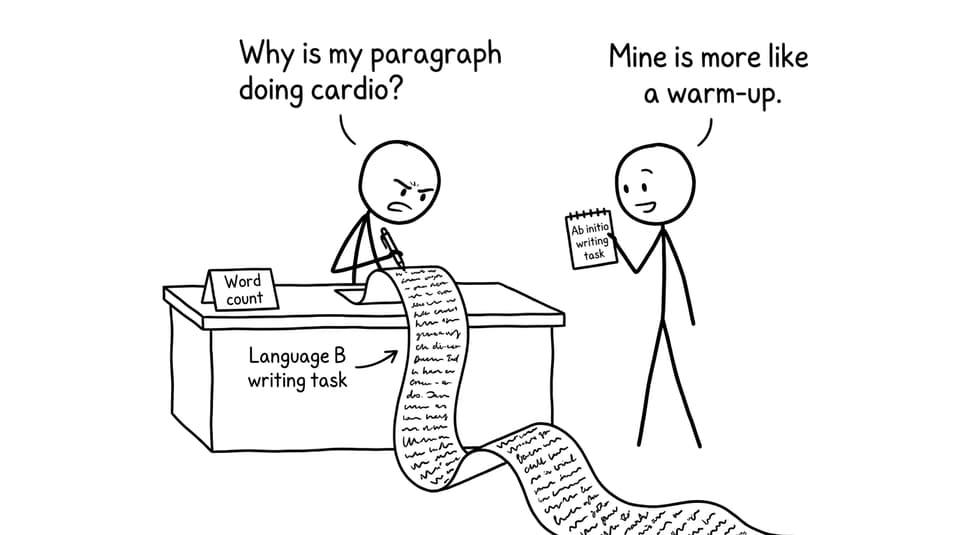
The writing load is longer and less forgiving
Language B writing tasks demand clearer structure, better register control, and more complex sentences. HL typically requires longer writing, which means more chances for small grammar errors to appear.
If you want the exact format and expectations, use A Comprehensive Guide to the IB Language B Paper Format and the strategy companion IB Language B Exams: Format, Timing, Strategy.
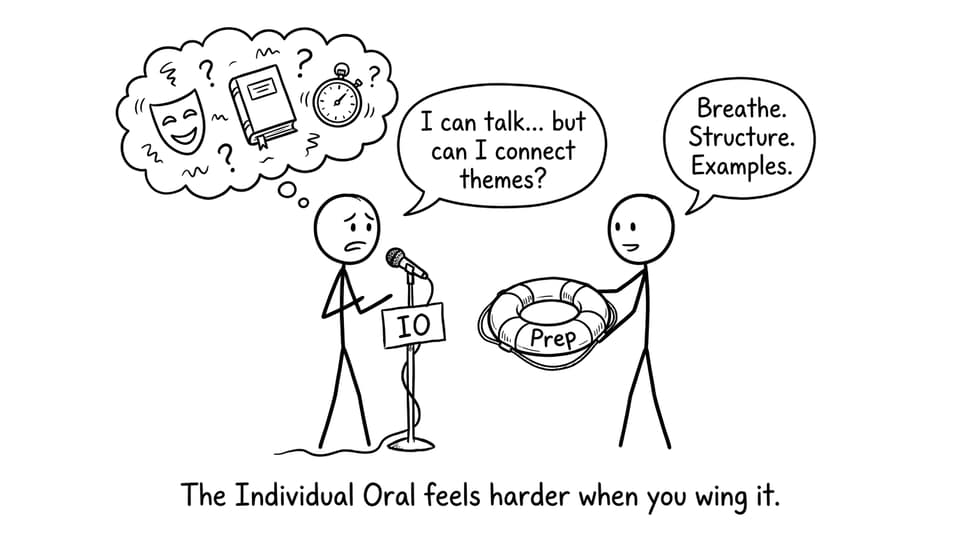
The Individual Oral asks for deeper connections
In IB Language B, the Individual Oral rewards students who can move beyond description into meaning: themes, cultural context, and thoughtful examples. If you rely on improvisation, it can feel brutal. If you train a structure, it becomes predictable.
HL adds interpretation pressure
HL students often feel the jump when literary or more demanding texts enter the picture. It’s not just “knowing words” anymore; it’s proving you understand nuance.
How to make the right choice (and score higher either way)
A calm rule: choose the course that matches your honest level, then prepare like an athlete.
On RevisionDojo, many students build consistency by pairing:
-
Study Notes to clarify what “good” looks like
-
Flashcards for theme vocab and high-utility phrases
-
Questionbank for exam-style practice and fast feedback
-
AI Chat to fix recurring grammar mistakes quickly
-
Mock Exams and Predicted Papers to rehearse timing and stamina
-
Grading tools plus the Coursework Library to understand criteria and exemplars
-
Tutors when you need targeted speaking or writing coaching
A good starting point is How to Effectively Revise for Language B Exams and the broader routine reset in How to Study for IB Exams Without Burning Out.
Conclusion: the “harder” course is the one that doesn’t fit
So, is IB Language B harder than ab initio? For most students, yes, because IB Language B demands more range, longer writing, and deeper oral connections. But the real risk isn’t difficulty; it’s mismatch. Pick the course that matches your current level, then train smart.
If you’re taking IB Language B, don’t rely on motivation. Build a system: Notes for clarity, Flashcards for recall, Questionbank for practice, AI Chat for quick fixes, and timed Mock Exams to make the pressure feel normal. That’s what RevisionDojo is built to do: turn language study into a repeatable routine that scores.