



If you have seven days left, your brain does an odd thing: it starts bargaining. Maybe the exam will focus on my favorite unit. Maybe you can “just read the textbook” and somehow wake up fluent in ergonomics, materials, sustainability, and the design process.
The truth is calmer than the panic. You can cram IB Design Technology in a week, but only if you stop trying to “cover everything” and start training for how marks are actually won: precise definitions, clear application to a scenario, and answers that follow the command term like a set of rails.
Use this plan as a tight loop: learn what you need, prove it with questions, fix mistakes fast, repeat.
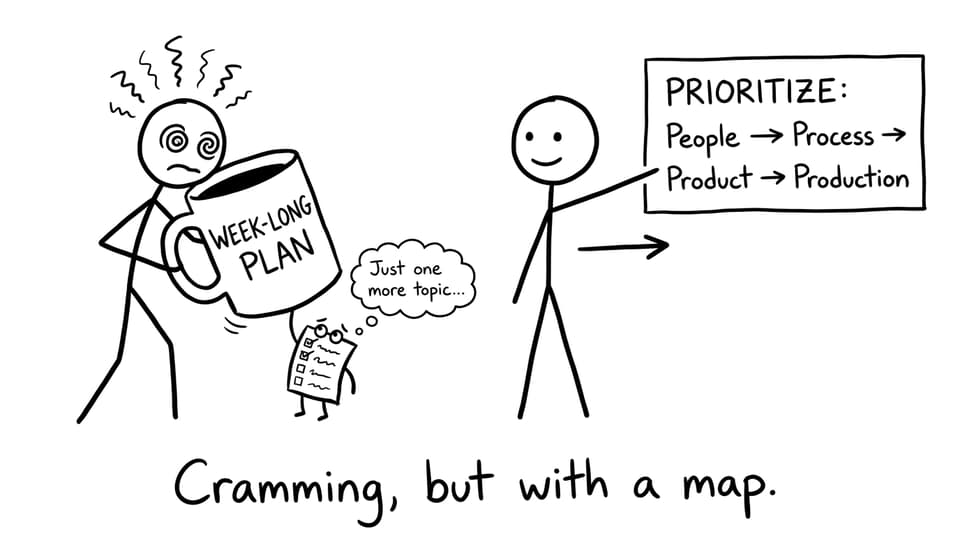
The 1-week IB Design Technology cram checklist
Before the day-by-day plan, set up your “cram operating system.”
-
Pick your target papers (SL/HL) and identify what they reward.
-
Build a mini-glossary of must-use terms (definitions you can recall under pressure).
-
Do exam-style practice daily (timed, even if short).
-
Keep a single mistake log: content gap vs question misread vs weak evaluation.
-
Use one strong platform to reduce friction (notes, practice, feedback, and mocks in one place).
A good starting point is the IB Design Technology resources hub, where you can jump between Study Notes, Questionbank practice, Flashcards, and Mock Exams without losing time to tab chaos.
Your 7-day plan to cram IB Design Technology
This plan mirrors the syllabus logic (Design Theory, Design in Practice, Design in Context), but it’s built for speed: patch + prove. You study, then you immediately test.
Day 1: Diagnose first (stop guessing)
Most one-week plans fail because they begin with confidence, not data.
-
Do a short timed set (30-45 minutes) using RevisionDojo’s Questionbank from the Design Technology hub.
-
Mark it carefully (use the platform’s feedback loop and grading support).
-
Write your “Top 5 recurring misses.” Example: confusing ergonomics vs inclusive design, weak material property vocabulary, or evaluating without evidence.
Then read targeted guidance on what actually works in DT revision: How do you revise effectively for IB Design Technology exams?
Make your target list: 3 high-yield topics + 2 weak topics. That’s your week.
Day 2: Design Theory (People + Process) at exam speed
Day 2 is about language and methods. IB Design Technology rewards accurate terminology.
Focus:
-
Ergonomics (human factors, anthropometrics, usability basics)
-
User-centred research methods (what, when, why)
-
Prototyping techniques (purpose, fidelity, feedback loops)
Workflow:
-
20 min Study Notes (only what you’ll use in answers)
-
40 min Questionbank set on People/Process
-
15 min Flashcards: definitions and “when to use this method” prompts
If you need a structured notes approach, steal the framework from How to create effective IB Design Technology revision notes.
Day 3: Design Theory (Product + Production) for quick marks
This is where students either sound like designers…or like they’re guessing.
Focus:
-
Materials classification and properties
-
(HL) structural/mechanical/electronic systems basics
-
(HL) manufacturing techniques and why they fit a scenario
Use one anchor notes page and drill from there: Properties of Materials notes. Then practice writing two-sentence justifications: property -> performance -> user need.
Build “comparison pairs” flashcards: ABS vs PLA, hardwood vs softwood, casting vs injection molding, etc. This helps IB Design Technology Paper 2-style responses feel decisive.
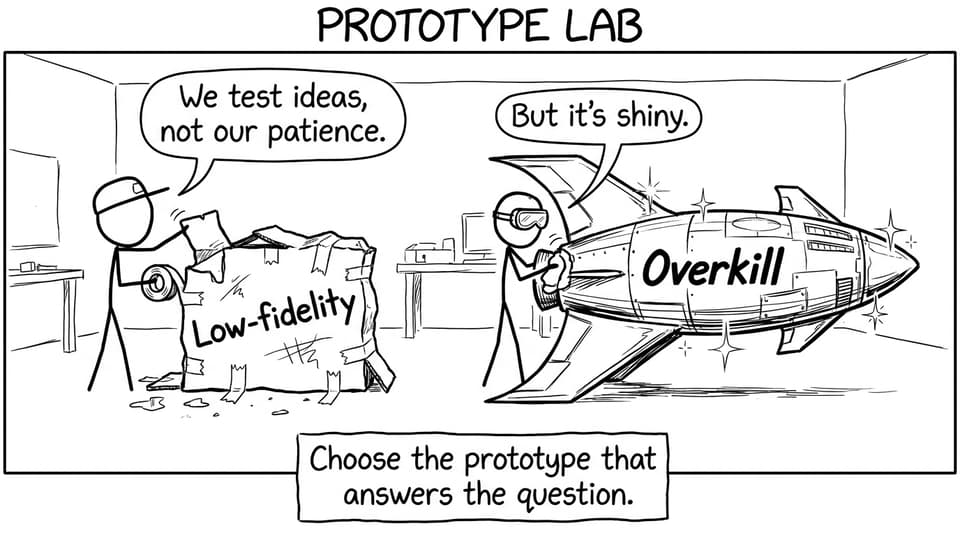
Day 4: Design in Practice (People + Process) = the design cycle in motion
Many answers lose marks because the design process becomes a story instead of a tool.
Focus:
-
User-centred design (needs, stakeholders, constraints)
-
The IB DP design process (stages and iteration)
-
Modelling and prototyping (what evidence each model gives you)
Go straight to a clean reference point: Topic B2.1: The Design Process and B2.2 Modelling and prototyping notes.
Then practice this answer skeleton:
-
Define the method/tool.
-
Apply it to the scenario.
-
State what data/feedback it produces.
-
Explain how that evidence changes the next iteration.
Day 5: Design in Practice (Product + Production) + one timed section
Focus:
-
Material selection criteria (function, cost, environment, manufacturing, aesthetics)
-
(HL) systems application/selection
-
(HL) production systems
Do one timed section today. Not because you love pain, but because IB Design Technology marks include thinking while the clock is moving.
For broader “how to score high” guidance, read How to get a 7 in Design and borrow one habit: always include a justified trade-off (benefit vs limitation).
Day 6: Design in Context (ethics, sustainability, circular economy)
This day is where your writing maturity shows.
Focus:
-
Responsibility of the designer, inclusive design, beyond usability (HL)
-
Design for sustainability and circular economy
-
Product analysis/evaluation and (HL) life cycle analysis
Your job is to avoid vague “green” statements. Practise linking:
-
a design choice (material/process)
-
to an impact (energy, waste, durability, repair)
-
to a stakeholder outcome (user, society, manufacturer)
If you want the fastest technique upgrades, skim and apply: Top revision techniques for IB Design Technology students.
Day 7: Full simulation + repair loop
Today is not for learning new content. It’s for making your performance reliable.
-
Sit one full timed mock or predicted set.
-
Review immediately while the memory is fresh.
-
Retake only your weakest question types.
On RevisionDojo, this is where the ecosystem pays off: Mock Exams, Predicted Papers, Questionbank retakes, Flashcards for definitions, AI Chat for quick clarification, and grading tools to see why a response earned (or lost) marks.
If you have access, run a full set from Design Technology predicted papers or use the IB Design Technology tag archive to grab extra targeted guidance.
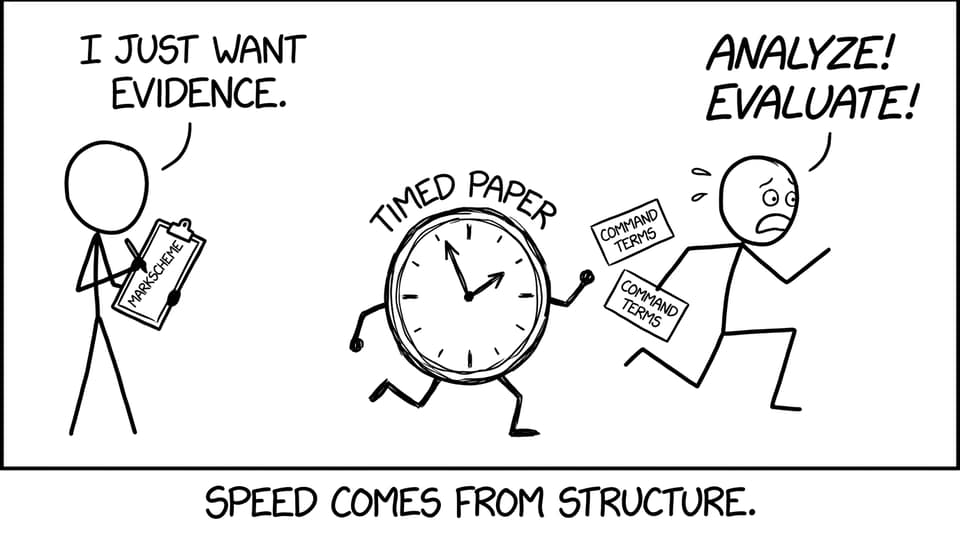
Common mistakes when cramming IB Design Technology
-
Re-reading instead of retrieving: If you’re not answering questions, you’re not training recall.
-
Definitions without application: DT marks come from applying concepts to a scenario.
-
Evaluation with no evidence: “Better” needs a reason, a metric, or a stakeholder impact.
-
Ignoring command terms: describe vs explain vs evaluate changes what a full-mark answer looks like.
A final word (and what to do next)
Cramming IB Design Technology in one week is intense, but it doesn’t have to be chaotic. The students who improve fastest aren’t the ones who “study harder.” They’re the ones who build a loop: attempt, get feedback, fix one pattern, and repeat until the exam feels familiar.
If you want that loop in one place, start with RevisionDojo: use Study Notes to patch gaps, Questionbank to convert knowledge into marks, Flashcards to keep definitions sharp, AI Chat when you’re stuck, and Mock Exams plus Predicted Papers to rehearse timing. Then let the week do what it can do: turn panic into a plan, and a plan into points.