



A quiet truth most IB students learn late
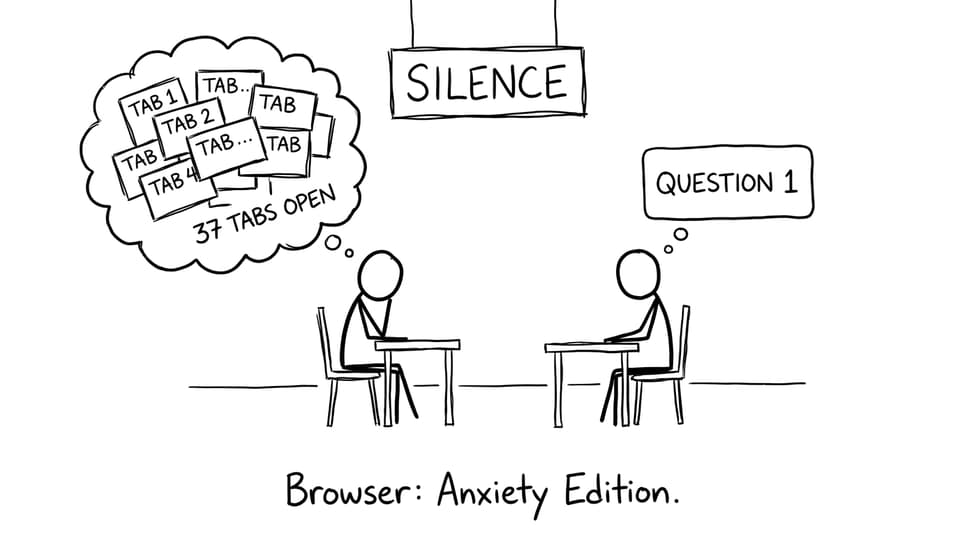
The first time anxiety shows up in IB, it rarely announces itself as “anxiety.” It arrives disguised as “I just need to work harder,” or “Everyone else is coping,” or “If I stop revising, everything collapses.” You keep moving because the timetable keeps moving. Then one day you sit down to revise and your brain feels like a browser with forty tabs open, all playing sound.
If you’re dealing with undiagnosed extreme anxiety, it’s normal to wonder: does the IB care, and will anyone take it seriously without paperwork? This guide shares Exam Tips that are practical and honest, plus the reality of how IB support usually works through your school.
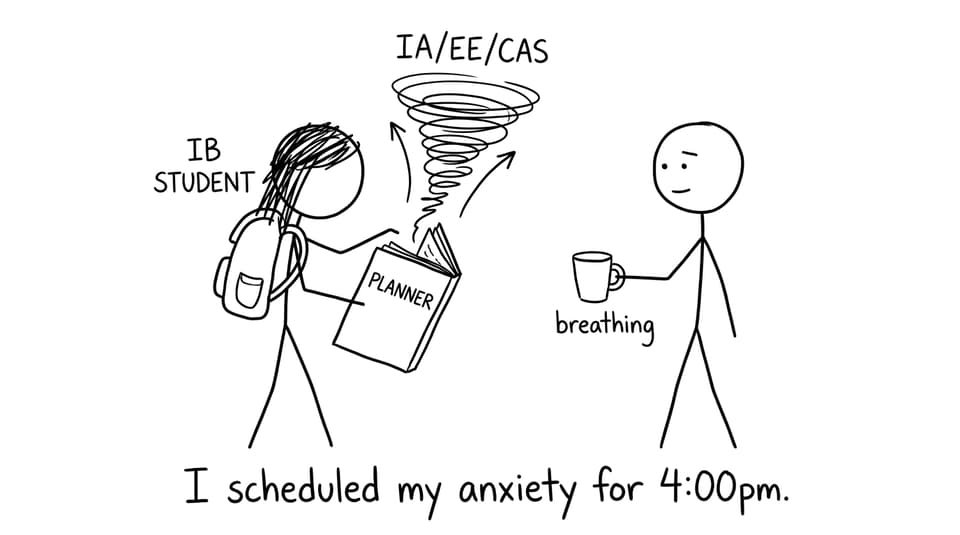
Quick checklist (save this for later)
Use these Exam Tips as a simple decision path:
-
Tell one adult at school this week (counselor, DP coordinator, trusted teacher)
-
Ask what informal adjustments are possible right now
-
If symptoms are intense, seek a professional assessment (even if you’re unsure)
-
Build a “minimum viable revision loop” using active recall, not rereading
-
Practise a 60-second reset routine for exam day
-
Use one study home base (RevisionDojo helps reduce chaos)
For calm, structured exam-season routines, browse All Exam Tips posts.
Does the IB care if your anxiety is undiagnosed?
Yes, the IB cares about student access and wellbeing, but the important detail is how support is delivered. In practice, the IB works through your school. That means most formal accommodations depend on documentation, and the request process runs via your IB coordinator.
Here’s the nuance: undiagnosed doesn’t mean “not real.” It means the system may treat it as harder to verify, so support often starts informally (teacher adjustments, counselor notes, wellbeing plans) before it becomes formal (access arrangements).
If you want a deeper look at the exact question you’re asking, read Does the IB Care if I Have Undiagnosed Extreme Anxiety?.
Why undiagnosed anxiety can feel invisible (and what to do)
Undiagnosed anxiety has a specific kind of loneliness: you’re suffering, but you also feel like you must “prove” it. In school settings, the people who can help (teachers, coordinators) often need something concrete to act on.
So your best move is to translate feelings into signals they can respond to:
-
“I’m having panic symptoms before timed work.”
-
“I freeze and can’t start writing even when I know content.”
-
“I’m missing sleep most nights and it’s getting worse.”
-
“My concentration collapses in exam conditions.”
These statements aren’t drama. They’re data. And they give adults a place to begin.
Exam Tips that help even before you have documentation
The goal is not to become a different person by next week. The goal is to reduce uncertainty, because uncertainty is anxiety’s favourite fuel.
Use “proof-based revision” to calm your brain
When you reread notes for hours, anxiety can still whisper, “But do you really know it?” Exam Tips that work tend to be measurable:
-
Do a short set of exam-style questions
-
Mark it
-
Log the mistake pattern
-
Retest
RevisionDojo is built for exactly this loop: use Study Notes to clarify quickly, then switch to Questionbank practice to turn clarity into marks. If you get stuck, use AI Chat to explain a concept in simpler language or generate mini-drills. When you’re ready, build stamina with Mock Exams and Predicted Papers, and use Grading tools to see what examiners reward.
If you want a calm strategy for the final stretch, see How to Study for IB Exams Without Burning Out.
Practise your “60-second reset” like it’s content
In real exams, the first spike of panic often happens fast. You don’t rise to the occasion. You fall to your training.
Try this reset (and practise it during timed sets):
-
Exhale longer than you inhale (4 seconds in, 6 out) three times.
-
Put your finger on the question and underline the command term.
-
Write anything true about the topic (a definition, formula, case study, diagram label).
-
Earn the next mark.
For more exam-room calm strategies, use How to Stay Calm During IB Exams and How to Stay Calm During a Timed Exam.
The night before: boring on purpose
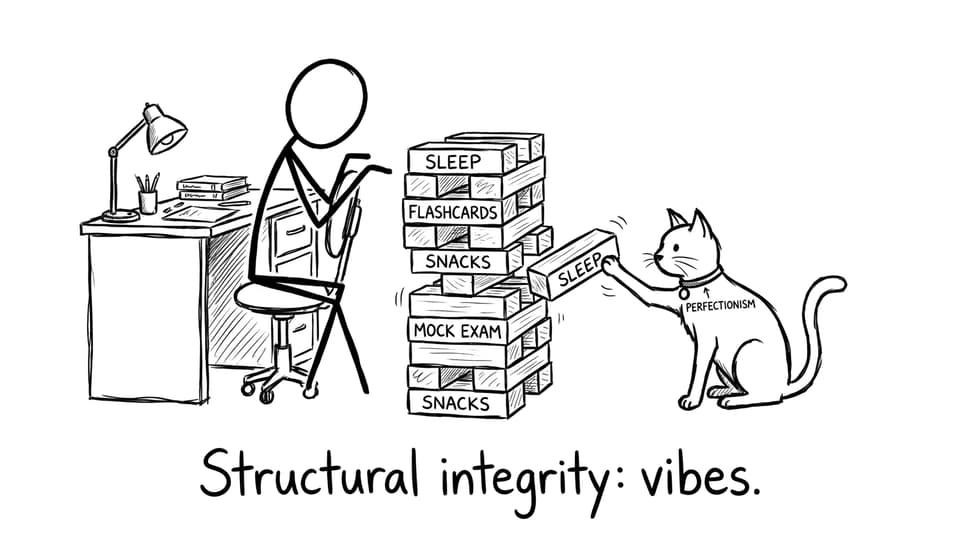
If your anxiety is loud, the night before an exam is not the time for a heroic comeback arc. The best Exam Tips are intentionally dull:
-
Pack your kit early
-
Do 30-60 minutes of light active recall
-
Stop at a fixed time
-
Protect sleep like it counts (because it does)
Follow a step-by-step routine in How to Calm Anxiety the Night Before an IB Exam.
When documentation matters (and how to start gently)
Formal accommodations typically require evidence, and your school is the bridge to the IB. If your symptoms are extreme, persistent, or worsening, getting assessed is not “making it official for attention.” It’s getting access to support that matches reality.
Start small:
-
Talk to your school counselor and ask what documentation is helpful.
-
Visit a GP who can refer you to a psychologist or psychiatrist.
-
Ask your IB coordinator what processes exist for access arrangements.
You may also find it useful to understand related accommodations and eligibility pathways like How Much Extra Time Do I Have as a Special Needs Child in IB Exams? and Who Can Use a Laptop During Exams in IB?.
How to talk to your school (a script that works)
Anxiety makes conversations feel risky, so go in with a simple structure:
-
Impact: “My anxiety is affecting timed work and sleep.”
-
Pattern: “It spikes before exams and when I sit down to start.”
-
Request: “Can we discuss support options now, and what documentation you’d need if it continues?”
If deadlines are part of the pressure, read Do IB Deadlines Get Extended for Mental Health Reasons?.
Closing: the IB can’t read your mind, but your school can hear you
If you have undiagnosed extreme anxiety, the system may not automatically “see” you, but that doesn’t mean you’re stuck. Start by making it speakable: tell one adult, describe impact, and ask what support is possible today. Then use Exam Tips that create steadiness: active recall, short timed practice, and a rehearsed reset routine.
When you’re ready to make revision feel clearer and less chaotic, build one calm home base with RevisionDojo: Questionbank, Study Notes, Flashcards, AI Chat, Mock Exams, Predicted Papers, Grading tools, the Coursework Library, and Tutors when you want a human plan that holds.
Your job isn’t to win a private battle in silence. Your job is to get supported and keep going, one next mark at a time.