

If you are in the IB, the idea of AB Initio can feel like a warm reset button. You have studied a language for years, but it is rusty, uneven, or tied to old worksheets you barely remember. AB Initio looks clean: start from the beginning, rebuild confidence, and maybe protect your grade.
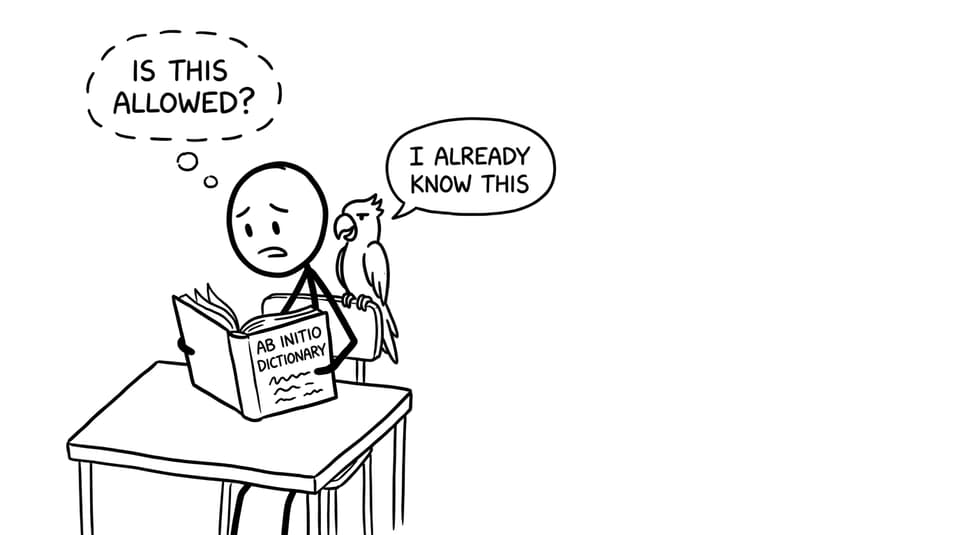
But the IB is built on fairness. AB Initio is meant for beginners, and schools are careful about who gets in. The real question is not “Would it be easier?” It is “Is it allowed, and is it the right fit for your current level?”
The short answer for IB students
In the IB, AB Initio is designed for students with little to no prior experience in the target language. If you have studied that language for several years, your school may:
-
refuse the switch outright
-
allow it only with clear evidence your level is still beginner
-
require a placement or teacher evaluation
Start by reading What is Ab Initio in the IB Program? to make sure you are comparing the right course expectations.
A quick decision checklist
Before you ask to move into AB Initio in the IB, check these:
-
Your school’s policy (some are strict, some flexible)
-
Your actual proficiency today (not what you did 3 years ago)
-
Your transcript story (does it look like a mismatch?)
-
Whether Language B fits better
For a clean comparison, use IB Language B vs Language ab initio: Key Differences and How to Choose.
What “prior study” usually means in IB Ab Initio
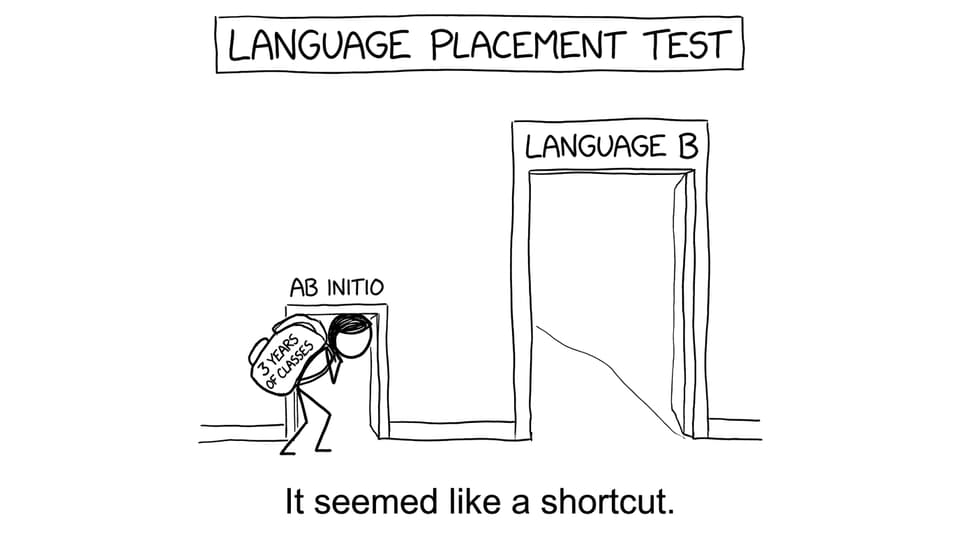
Here is the quiet truth: “I studied it before” can mean anything from a few months of casual exposure to years of structured classes. In the IB, what matters is whether your background would give you an unfair advantage over true beginners.
Many schools interpret “several years” as a clear sign you should be in Language B, even if you feel shaky. If you are unsure where you fit, the article Can I Take Language B and Ab Initio? What You Should Know as an IB Student helps clarify how schools typically think about overlap and placement.
When taking AB Initio can still make sense
Sometimes AB Initio in the IB is genuinely the right call, even with past exposure:
-
You studied the language a long time ago and retained very little.
-
Your previous course focused on memorization, not communication.
-
You can recognize words, but cannot write or speak at the required level.
If that is you, get evidence. A short writing sample, an oral check-in, or a diagnostic task can make the conversation with your coordinator much easier.
Better alternatives if AB Initio is not allowed
If your school says no, you still have options in the IB:
-
Language B with smarter support, not harder grinding
-
Targeted tutoring to patch gaps quickly
-
Theme-based revision to align with what exams actually reward
RevisionDojo helps here because it is not generic language practice. You can build a plan using Study Notes, Flashcards, and AI Chat, then pressure-test it with the Questionbank and Mock Exams. If writing is your weak point, the Grading tools make feedback immediate and specific.
To build a routine that actually sticks, see Top Strategies for Learning an Ab Initio Language in IB and Top Language Learning Tools for IB Students (Why RevisionDojo Stands Out).
Conclusion: choose the level that keeps IB fair and you confident
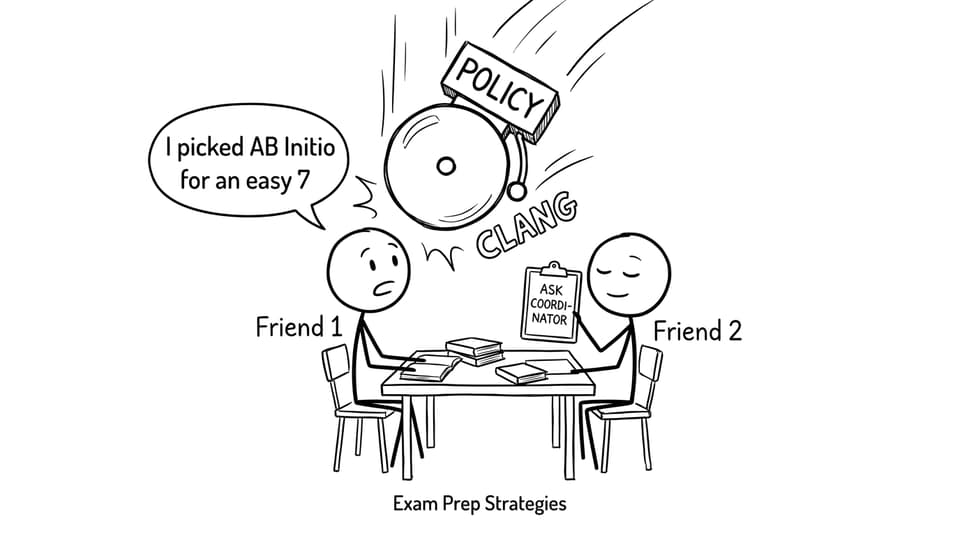
Wanting AB Initio after years of study is not “wrong” in the IB. It is human. When you are stressed, you look for certainty. But the best choice is the one that matches your real level and your school’s rules.
If you are deciding between Language B and AB Initio in the IB, use RevisionDojo to remove guesswork: build skills with Study Notes, lock in vocabulary with Flashcards, practice with the Questionbank, and use AI Chat and Grading tools to tighten your writing and speaking. Then walk into exams knowing you picked the right path and prepared the smart way.