



A movie night that secretly counts as revision
You press play for “just one scene.” Forty minutes later, you’ve absorbed a dozen expressions, heard real accents, and somehow learned that the hero’s best friend always speaks the fastest.
That’s the quiet power of films for IB Languages: they feel effortless, but they can build listening, vocabulary, and cultural awareness in a way worksheets rarely do. The catch is that most students watch passively. If you want movies with subtitles to actually move your exam scores, you need a method.
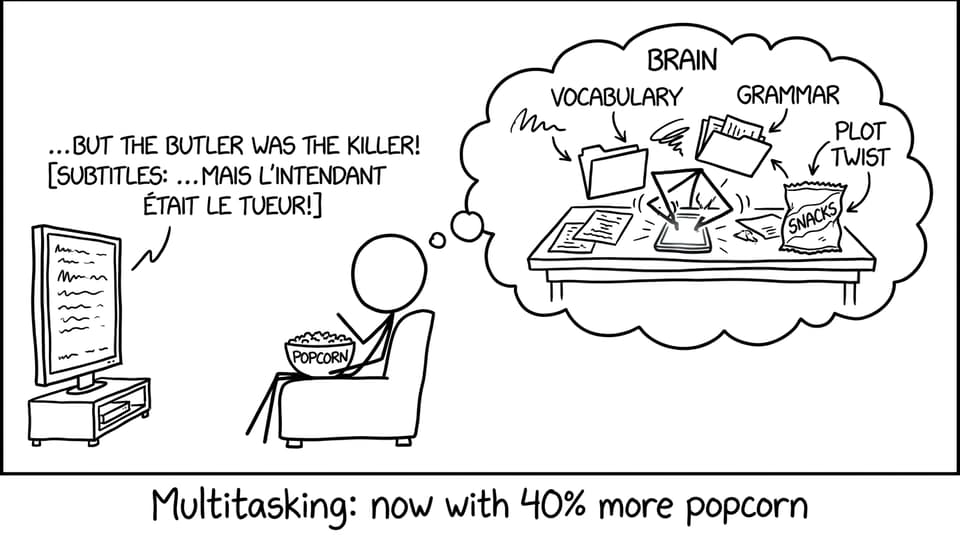
Can you really learn a language by watching movies with subtitles?
Yes, but it depends on what you mean by “learn.” Movies won’t magically fix your grammar in one weekend, and they won’t replace writing practice for Paper 1. But for IB Languages, films are excellent for:
-
Listening comprehension (natural speed, fillers, real pronunciation)
-
High-frequency vocabulary in context
-
Register and tone (formal vs informal choices)
-
Culture and pragmatic meaning (what people imply, not just what they say)
If you’re taking ab initio, you can pair film exposure with structured foundations like What is Ab Initio in the IB Program? and Top Strategies for Learning an Ab Initio Language in IB.
The IB Languages “subtitle ladder” (a simple checklist)
Step one: understand the story
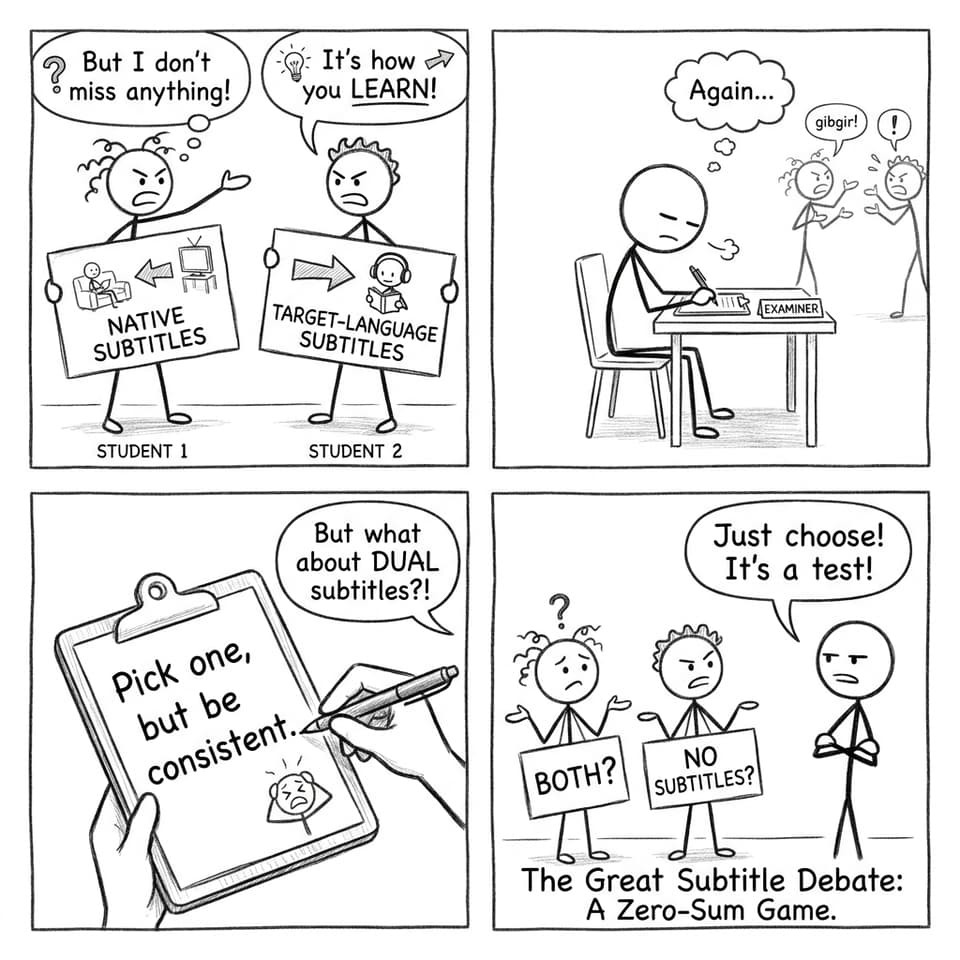
Start with target-language audio + native-language subtitles for the first watch. Your goal is to follow the plot so your brain has context hooks.
Step two: connect sound to spelling
Next, switch to target-language subtitles. This is where IB Languages students see spelling patterns, verb forms, and recurring phrases.
Step three: remove the safety net
Try short chunks (2-5 minutes) with no subtitles. Rewind once. If it’s still unclear, turn subtitles back on and move forward.
Active watching: how to turn a film into exam prep
Use “pause points” to collect exam-ready phrases
Every time you hear a useful connector or opinion phrase, pause and jot it down. For IB Languages writing and speaking, phrases like “on the other hand,” “it seems that,” and “from my perspective” are reusable everywhere.
Then, drill them with spaced repetition. RevisionDojo’s Flashcards are perfect for turning movie phrases into something you can recall under time pressure.
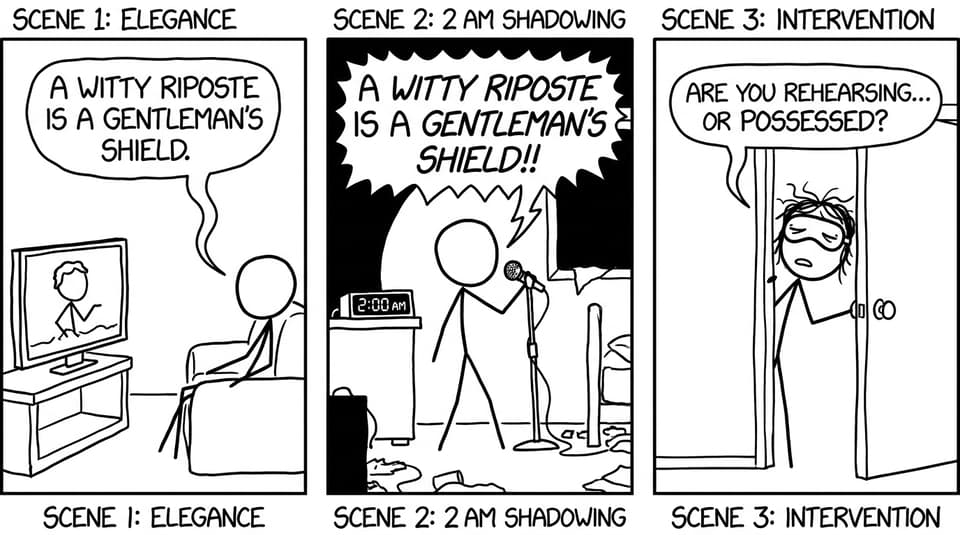
Shadow one line, not the whole scene
Pick one sentence and repeat it out loud three times, copying rhythm and intonation. This builds confidence for the oral. If you’re focusing on Language B performance skills, combine this with How to Improve Your Language B Speaking Skills and Mastering Language B Oral Practice.
Turn scenes into mini prompts
After a scene, do a 60-second summary aloud, then add an opinion. This mirrors the way IB Languages assessments reward clear message, relevant detail, and personal engagement.
If writing is your weak spot, keep your summaries short and structured, then review common pitfalls using How to Avoid Common Mistakes in Language B Writing.
Where RevisionDojo fits (so movie time becomes results)
Movies create input. RevisionDojo turns that input into measurable progress:
-
Study Notes to lock in grammar patterns you keep hearing
-
Questionbank to test vocabulary and theme language with exam-style practice
-
AI Chat to rewrite your movie-summary sentences in more natural phrasing
-
Grading tools to check writing against criteria
-
Predicted Papers and Mock Exams to make sure your listening gains show up under timed conditions
-
Coursework Library and Tutors when you need targeted feedback and structure
To place your course choice in context, see IB Language B vs Language ab initio: Key Differences and Is Language B Harder Than Ab Initio?.
A better movie habit for IB Languages
Watching movies with subtitles can absolutely support IB Languages exam prep, but only if you treat it like training, not background noise. Build a subtitle ladder, take tiny notes, shadow one line, and force a 60-second summary after each scene.
If you want movie time to translate into grades, use RevisionDojo to organise what you pick up: drill it with Flashcards, test it in the Questionbank, refine it with AI Chat, and pressure-test it with Mock Exams and Predicted Papers. Your next film can be fun. It can also be strategy.