
The quiet advantage DP1 students miss
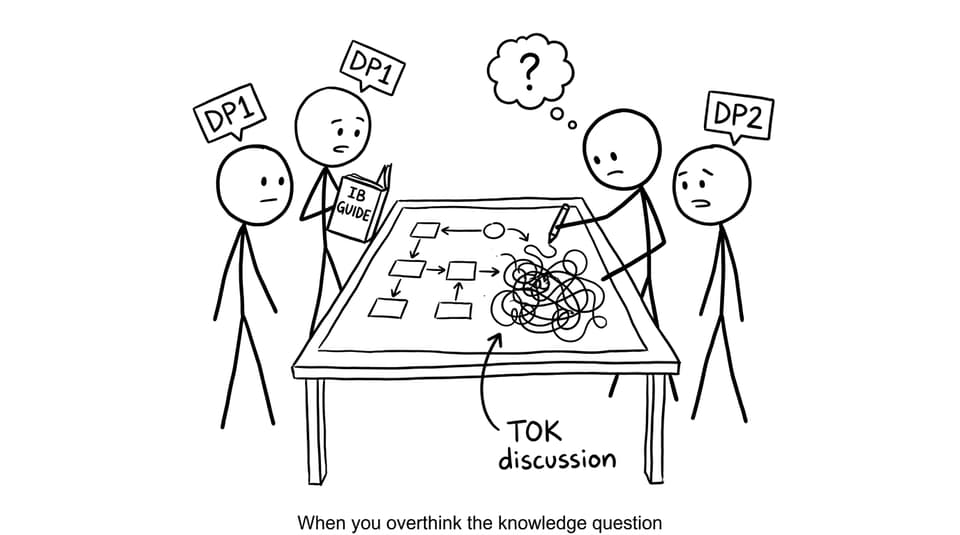
There’s a specific moment in DP1 when it hits: you’re working hard, but you’re not sure if you’re working right. A topic finally makes sense, then an IA deadline appears, then TOK starts speaking in riddles, and suddenly you’re hoping someone can tell you what matters most.
That someone is usually a DP2 student.
This is Advice for DP1 Students on Connecting With DP2 Students in its simplest form: borrow clarity from people who just walked the same corridor. DP2 students remember the confusion, the workload, and the tiny decisions that saved them time. And if you approach them well, most are surprisingly generous.
A quick checklist before you reach out
Use this mini checklist to make your outreach feel natural (and to keep it sustainable for both sides). This is practical Advice for DP1 Students on Connecting With DP2 Students you can apply today.
-
Pick one subject or issue (don’t ask for “all IB tips”).
-
Find someone with shared context: same subject, same teacher, same club.
-
Prepare 2 specific questions and 1 small request (10 minutes max).
-
Offer an easy format: quick chat, short message, or a 20-minute study sprint.
-
After they help, send a thank-you and a one-sentence update later.
If you want a steady way to turn their advice into action, build your routine around tools that keep you moving: RevisionDojo for IB plus targeted practice, not endless re-reading.
Why DP2 students are the most realistic “study strategy” you’ll find
DP2 students don’t give perfect advice. That’s what makes it useful.
They can tell you what actually happens when you leave your IA for “next weekend.” They can warn you which units snowball, how long a mock exam week really feels, and how to recover when you fall behind.
Pair their experience with a system and you get momentum. A lot of students use DP2 guidance to choose what to drill in a How to Study for IB Exams: Step-by-Step Guide style routine: notes to clarify, questions to apply, feedback to refine.
How to find the right DP2 students (without stalking the hallway)
The best connections come from proximity and shared problems:
-
Same HL/SL combination or same teacher
-
Someone known for being calm under pressure
-
Club leaders (built-in reason to talk)
-
Friends-of-friends who already feel “safe”
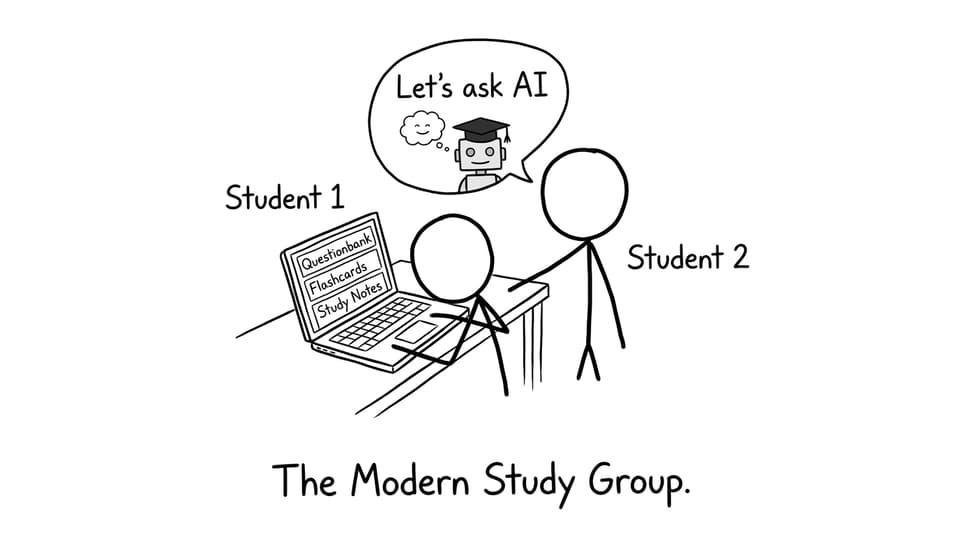
If you need a low-friction opener, ask what resources they used. It’s a natural way to shift into platforms and habits: “Did you rely more on notes, flashcards, or questions?” That question lets you introduce your own system too, like using Flashcards for daily recall or structured revision.
How to approach DP2 students so it doesn’t feel awkward
Most awkwardness comes from making the request too big or too vague.
In person
Aim for a relaxed moment: after a lesson, lunch, walking to the bus.
Try:
“Hey, I’m in DP1 and I’m starting to feel the workload build. You took (subject) last year, right? Could I ask you two quick questions about what helped you most?”
That sentence works because it’s human and bounded. It signals respect.
By message
Messaging is often easier for both of you. Keep it short and structured.
Try:
“Hi! I’m DP1 and I heard you’re strong in (subject). I’m stuck on (specific topic/question type). What would you do first: review notes, flashcards, or practice questions? Also, do you have one resource you’d recommend?”
Then follow through: if they say “practice questions,” go do practice questions. RevisionDojo’s Best Resources for IB Exam Preparation explains how to pick tools that don’t waste time.
Turn one helpful chat into a mini-mentorship
Here’s the secret Advice for DP1 Students on Connecting With DP2 Students rarely includes: mentorship is mostly maintenance, not intensity.
Do small, repeatable things:
-
Thank them once, then later send a quick update (“That essay structure helped, and I gained 2 marks.”)
-
Ask occasionally, not daily
-
Keep your questions specific: one rubric, one topic, one decision
-
Offer something back: help with a club event, share notes, or run a study session
If you want to make it easy to show progress, use measurable practice loops. For example: do a short set in a Questionbank, log what you missed, then ask the DP2 student how they fixed that same pattern. (RevisionDojo’s platform is built around this: Questionbank practice, AI Chat, Grading tools, and feedback loops that make improvement visible.)
The simplest bridge: mixed-year study sessions
Mixed-year study groups work because DP2 students reinforce what they know, and DP1 students get exposed to how IB questions are framed.
Keep it lightweight:
-
45 minutes max
-
One goal (one topic or one skill)
-
End with “next steps” everyone can do alone
A good format is “notes first, then questions.” Use a shared reference like Digital IB Study Notes: Access Anywhere, Anytime, then do timed practice, then quick feedback. If your group wants exam realism later, point them to IB Mock Exam Tips: Expert Strategies for Better Performance.
Use RevisionDojo to make DP2 advice actionable
DP2 students can tell you what to do next. RevisionDojo helps you do it.
A practical workflow:
-
Clarify content quickly using Study Notes (so you stop guessing)
-
Lock it in with Flashcards (daily, short sessions)
-
Apply it with the Questionbank (topic-filtered practice)
-
Fix technique using AI Chat and Grading tools (so feedback becomes steps)
-
Build confidence with Mock Exams and Predicted Papers
-
Reduce coursework stress with the Coursework Library
-
When you need a human diagnosis, use Tutors
If you’re rebuilding your routine, read You're Not Lazy: Your IB Study Method Is Broken. It’s the most comforting kind of strict.
Closing: make the connection while it’s easy
DP1 feels long when you’re living it, but it moves fast in hindsight. The smartest time to build your support system is before stress becomes your default.
So take this Advice for DP1 Students on Connecting With DP2 Students literally: send one message today, ask two specific questions, and turn the answers into a small plan you can repeat. Then use RevisionDojo to make that plan real: Study Notes for clarity, Flashcards for daily recall, Questionbank for exam skill, AI Chat and Grading tools for feedback, plus Mock Exams, Predicted Papers, the Coursework Library, and Tutors when you need extra lift.
One good connection won’t do your IB for you. But it will make the road feel navigable, and that changes everything.